Period Poverty in America 2025 - A Report from Dignity Grows
FACT SHEET
About Dignity Grows
Dignity Grows is a national nonprofit movement, founded in 2019 in Hartford, Connecticut, to address the hidden health crisis of Period Poverty in America through direct support, research, and social policy change.
Dignity Grows ensures direct hygiene support for 56,000 women and girls each year through its signature “Hope in a Bag” and “Hope in a Backpack” programs.
Dignity Grows hosts the biennial National Summit on Period Poverty, uniting cross-sector changemakers to build actionable solutions to Period Poverty. The 2025 Period Poverty Summit was held in Atlanta, GA, from October 27-28.
In 2024, Dignity Grows launched the Period Poverty Institute of America to combat the period poverty crisis through data-driven systemic change, advocacy, and providing essential support to those in need.
The ‘2025 Period Poverty in America: Evidence and Insights’ Report is available at DignityGrows.org/PeriodPovertyInAmerica. Highlights from the report are included below.
Period Poverty in America 2025 Report Highlights
The U.S. economy loses at least $60 million per year from hourly wage earners experiencing Period Poverty.
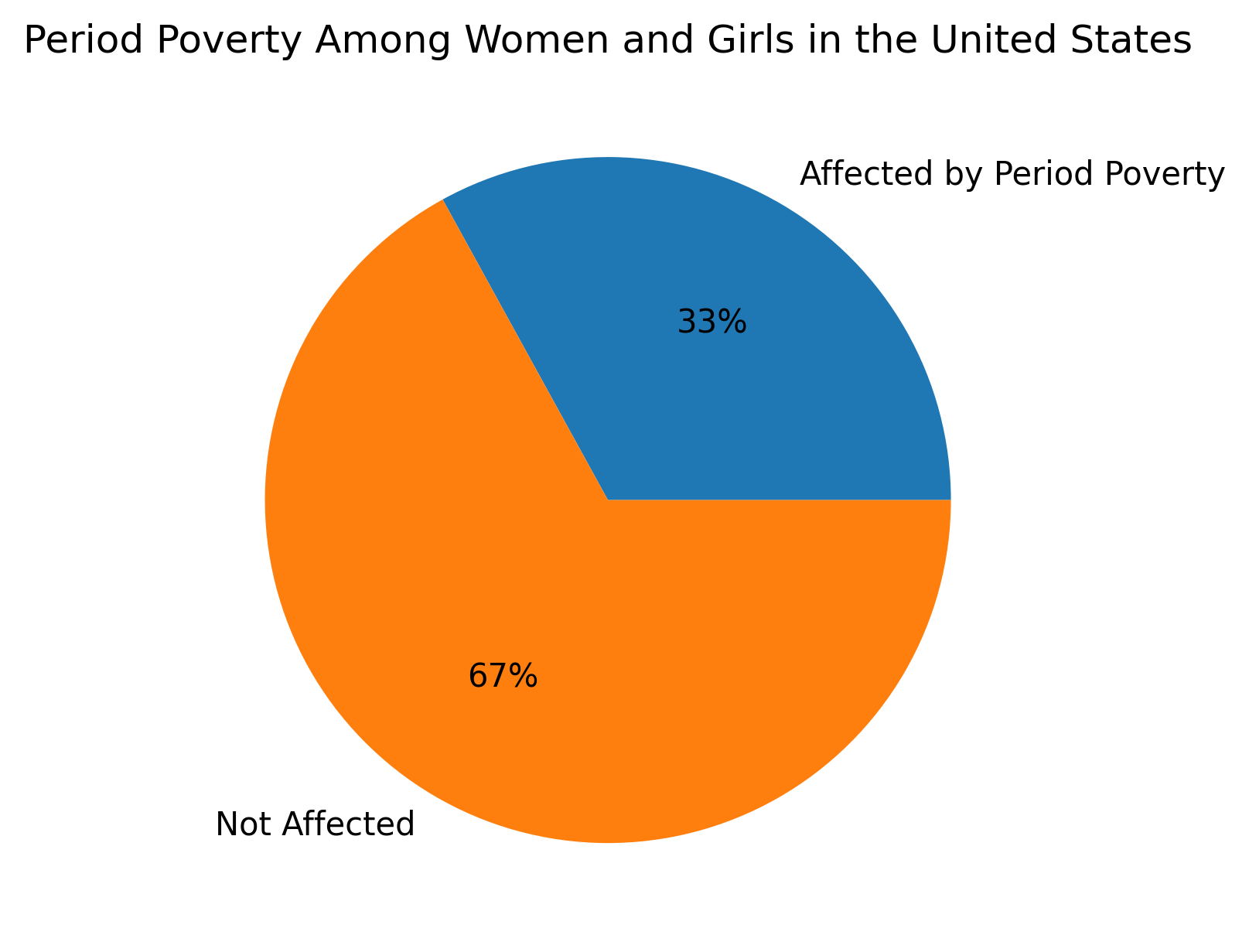
42% of women reported having experienced Period Poverty at some point in their lives, compared to 35% in 2023.
42% of women currently experiencing Period Poverty report that it impacted their ability to attend or perform at work.
For women currently experiencing Period Poverty, school attendance was affected for 33% of respondents, 15% reported that grades were affected, and 36% reported that class participation was affected.
Among women currently experiencing Period Poverty, work performance was affected for 56% of respondents, 18% reported that advancement at work was affected, and 45% reported that confidence at work was affected.
49% of women currently experiencing Period Poverty reported they experienced related health problems or medical complications, with 65% noting that the extent of those problems was moderately or extremely significant.
Among women currently experiencing Period Poverty, when asked how their lives would be different with unlimited access to period products, 24% said they would explore different professional opportunities, 17% said they would explore different educational opportunities, 37% reported they would worry less about finances.